European Cathedral Heritage
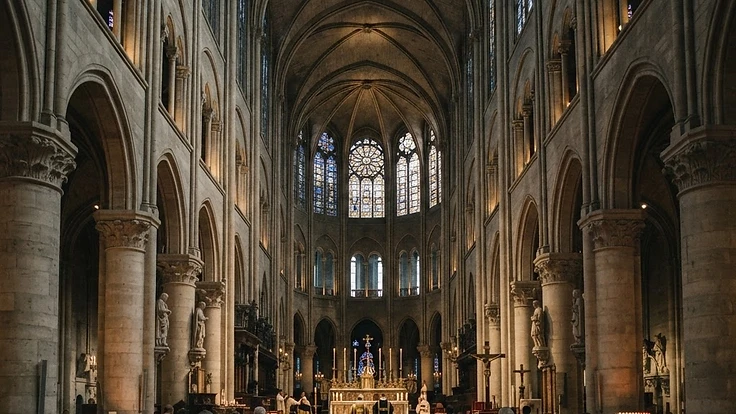
European cathedral heritage encompasses the great churches of the continent, from Romanesque and Gothic masterpieces to Baroque and modern interpretations. Cathedrals are simultaneously architecture, engineering, art, music and civic memory, often built over centuries by successive generations. They embody the Christian heritage that shaped European calendars, universities, music and visual culture, while also standing as public spaces shared by believers and non-believers alike. Their preservation links craft, tourism and public memory, and their continued use illustrates how heritage buildings can remain living institutions rather than mere monuments.
Explanation
Cathedrals such as Chartres, Cologne, Canterbury and St Peter's represent centuries of architectural innovation and communal investment.
Origin & History
European cathedral building developed from the medieval period onward, with successive styles layered over centuries.
Why It Matters
Cathedrals embody the Christian heritage and civic memory of Europe as living public institutions.
Living Practice Today
Cathedrals remain in active use for worship, music and tourism, and are the focus of major conservation programmes.
Council of Europe cultural heritage programmes; national heritage bodies.