Diwali
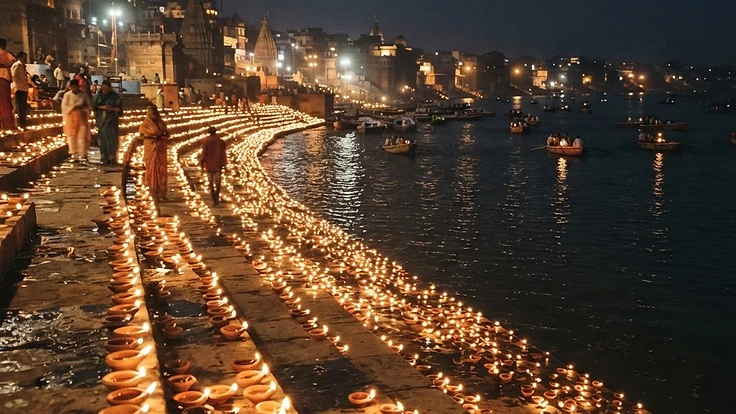
Diwali, the festival of lights, is one of the most important festivals of the Indian subcontinent, celebrated by Hindus, Jains, Sikhs and some Buddhists. It marks the victory of light over darkness and knowledge over ignorance through the lighting of lamps, family gatherings, sweets and prayers. Diwali connects religious meaning, family obligation and seasonal celebration. Its observance varies across regions and communities but the lighting of lamps is near universal. The festival is a primary vehicle for transmitting food, ritual and family traditions across generations, including in the global Indian diaspora.

Explanation
Diwali is observed over several days with the lighting of oil lamps, rangoli decorations, prayers to Lakshmi and family feasts. Regional variations shape its specific rituals.
Origin & History
Diwali has ancient roots in Indian traditions, with references in early texts and long-standing association with harvest and renewal.
Why It Matters
Diwali is a major vehicle for transmitting religious, family and food traditions across generations and the diaspora.
Living Practice Today
Celebrated across India and globally by diaspora communities, with growing international recognition.
Ministry of Culture, India; UNESCO Intangible Cultural Heritage.