Tsiattista
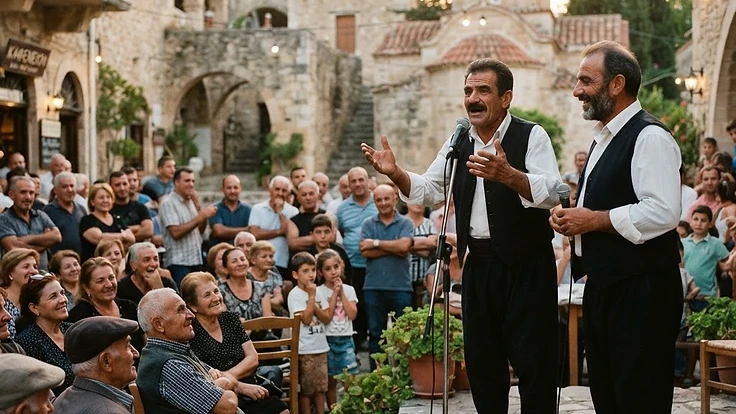
Tsiattista is a form of improvised oral poetry performed in the Cypriot Greek dialect. It involves a competitive exchange of rhyming couplets between performers.
Explanation
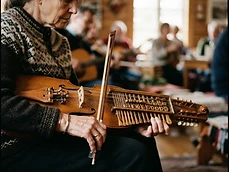
Performers, known as tsiattistades, engage in a rhythmic and witty verbal duel, often accompanied by traditional musical instruments like the violin or lute. The verses are composed on the spot, requiring quick thinking and a deep command of the local dialect and folklore. It is traditionally performed at weddings, festivals, and social gatherings to entertain and challenge the audience. The art form serves as a medium for social commentary and the preservation of linguistic heritage.
Origin & History
Tsiattista has roots in ancient Greek poetic traditions and has been a staple of Cypriot rural social life for centuries. It was historically used as a way to express emotions and resolve social tensions through humour.
Why It Matters
It is a crucial vehicle for the survival of the Cypriot Greek dialect and oral storytelling traditions. The practice fosters community interaction and maintains a link to the island's historical social structures.
Living Practice Today
The tradition is still performed at cultural festivals and public events across Cyprus. Efforts are made by local cultural organisations to teach the art to younger generations to ensure its continuity.
UNESCO Intangible Cultural Heritage List; Cyprus Ministry of Education, Culture, Sport and Youth