Lefkaritika
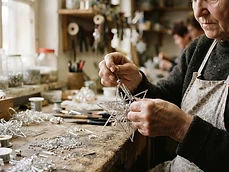
Lefkaritika is a traditional form of embroidery originating from the village of Pano Lefkara. It is characterised by intricate geometric patterns and needlework techniques passed down through generations.

Explanation
The craft involves complex needlework techniques such as cutwork and satin stitch, often using linen fabric. It is deeply embedded in the social fabric of the village, where women gather to work and share knowledge. The designs are unique to the region and have been refined over centuries of practice. This tradition remains a vital symbol of Cypriot cultural identity and craftsmanship.
Origin & History
The tradition dates back to the 14th century, influenced by Venetian and local artistic styles. It evolved through the interaction of local artisans with visiting merchants and travellers.
Why It Matters
It represents the historical continuity of Cypriot textile arts and the social cohesion of rural communities. The practice preserves unique technical skills that are distinct from other Mediterranean embroidery traditions.
Living Practice Today
Today, Lefkaritika is actively produced by local artisans and sold as a premium cultural product. It is protected and promoted by the Cyprus National Commission for UNESCO.
UNESCO Intangible Cultural Heritage List; Cyprus Ministry of Education, Culture, Sport and Youth