Chiprovtsi Carpet Weaving
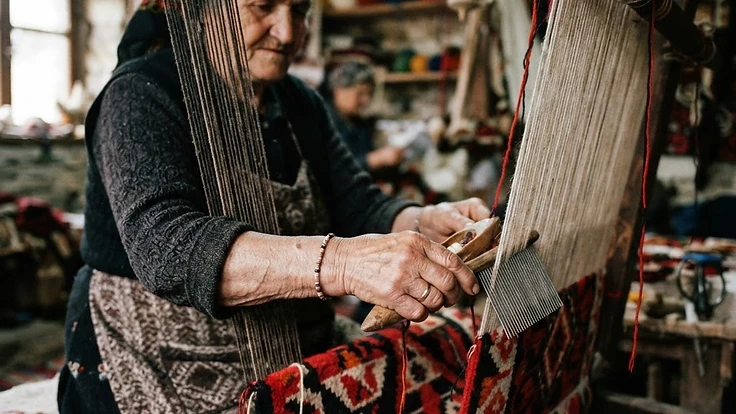
The tradition of carpet-making in Chiprovtsi involves the creation of hand-woven rugs using vertical looms and specific geometric patterns. These textiles are renowned for their durability and symbolic motifs that reflect local cultural identity.
Explanation
Weavers in the town of Chiprovtsi employ a unique technique where the warp and weft are made of natural wool, resulting in a double-sided carpet with identical patterns on both sides. The designs often incorporate stylized floral elements, animals, and geometric shapes that have been passed down through generations of women. This craft is deeply integrated into the social fabric of the region, serving as a marker of local heritage and artistic expression. The process requires significant skill and patience, as the creation of a single piece can take several months of meticulous work.
Origin & History
The craft originated in the 17th century, influenced by the historical development of the town as a centre for mining and trade. It evolved into a distinct local tradition that survived periods of political and social upheaval.
Why It Matters
It represents a vital link to the historical craftsmanship of the Balkan region and serves as a symbol of Bulgarian cultural continuity. The preservation of these techniques ensures the survival of unique aesthetic traditions that are distinct from industrial textile production.
Living Practice Today
Today, the craft is maintained by local artisans who continue to produce carpets for both domestic use and international exhibition. It is actively promoted through local workshops and cultural festivals to ensure the transmission of skills to younger generations.
UNESCO Intangible Cultural Heritage List; Ministry of Culture of the Republic of Bulgaria