Arabic Poetry
Arabic poetry is one of the oldest and most esteemed literary traditions of the Arab world, with metres and forms codified in pre-Islamic times and continuously renewed since. Poetry has functioned as history, political commentary, love letter and communal memory. The qasida form, with its monorhyme and measured metre, set standards that still influence contemporary verse. Poetry remains a living public art in the Arab world, recited at festivals, broadcast on television and shared on social media. Its continuity demonstrates how a literary form can remain central to public life across more than a millennium.

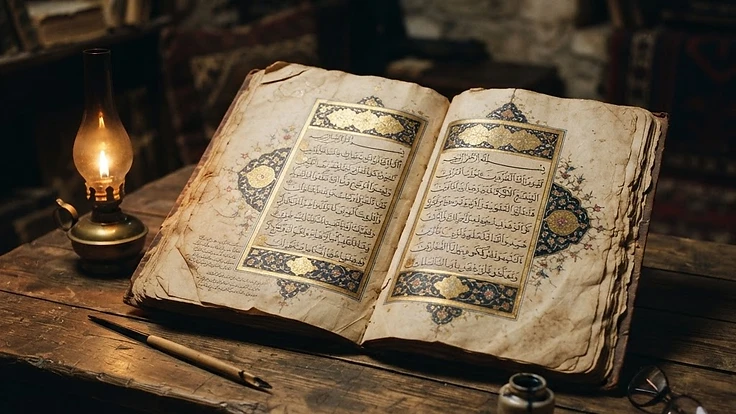
Explanation
Classical Arabic poetry follows strict metres and a monorhyming qasida structure. Contemporary poets continue to draw on these forms while addressing modern themes.
Origin & History
Arabic poetic metres were codified in the 8th century, building on a much older oral tradition of pre-Islamic qasida.
Why It Matters
Arabic poetry shows how a literary form can sustain cultural memory and public debate across centuries.
Living Practice Today
Poetry is recited at festivals, broadcast and widely shared, remaining a visible public art in the Arab world.
King Salman Global Academy for Arabic Language; Arabic literary archives.