Amazigh Heritage
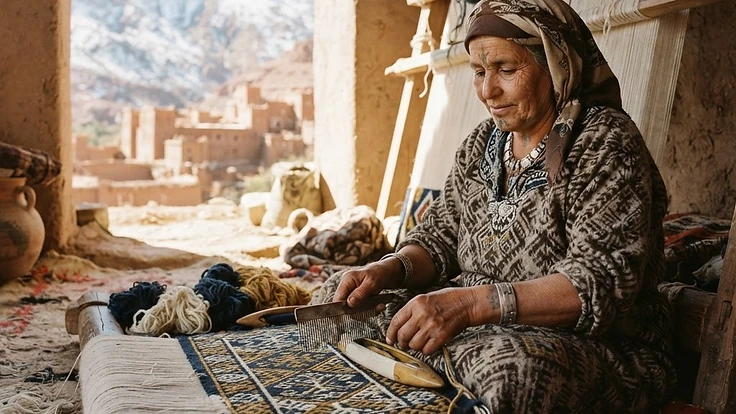
Amazigh, or Berber, heritage is a foundational layer of North African identity, encompassing the Tamazight language, oral poetry, weaving, jewellery, architecture and agricultural traditions of the indigenous peoples of the Maghreb. In Morocco, Amazigh identity is recognised constitutionally alongside Arab-Islamic heritage, and the Tifinagh script is taught and used in public life. The recognition of Amazigh heritage illustrates how a state can define a strong national identity while acknowledging multiple historical layers, and how language revitalisation requires investment in education and media to remain vigorous.

Explanation
Amazigh heritage includes the Tamazight language in its regional varieties, the Tifinagh script, oral poetry, weaving and distinctive architecture of the Atlas and desert regions.
Origin & History
Amazigh peoples are indigenous to North Africa, with a presence predating Arab expansion in the region.
Why It Matters
Amazigh recognition shows how a state can integrate multiple historical layers into a single national identity.
Living Practice Today
Tamazight is taught and broadcast in Morocco, and Amazigh cultural institutions are expanding.
Royal Institute of Amazigh Culture, Morocco; Constitution of Morocco.