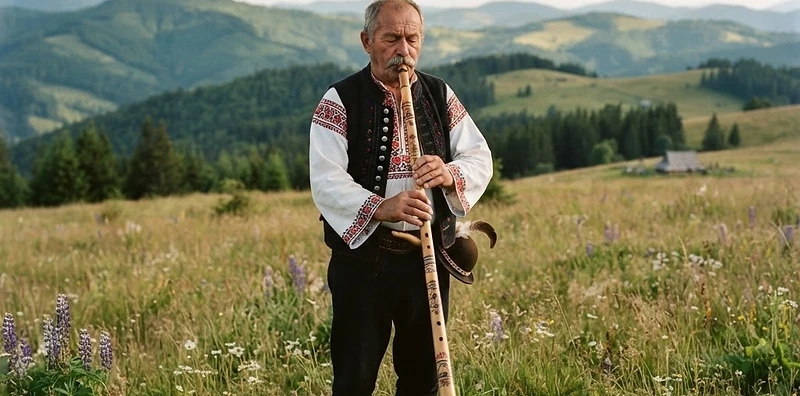
Slovakia
A small republic with a large Hungarian minority and a strong folk-music and craft documentation tradition.
Local name: Slovensko
Recognised regional or minority languages: Hungarian, Rusyn, Romani, Czech, German
Source labels and dataset codes are those published by the statistical authority named on each row. Figures are reproduced as retrieved, without interpolation.
Slovakia, known locally as Slovensko, is a landlocked country in Central Europe with its capital in Bratislava. The official language is Slovak, while Hungarian, Rusyn, Romani, Czech, and German are recognized as regional or minority languages under the Council of Europe Charter. The nation is defined by its historical continuity within the Carpathian region, characterized by a strong tradition of folk culture and a parliamentary democratic system established in 1993. Demographic and cultural continuity is maintained through the active transmission of intangible heritage, such as traditional music and crafts, alongside a stable administrative framework that monitors population dynamics. The country serves as a bridge between Western and Eastern European cultural spheres, maintaining a distinct identity through its linguistic heritage and the preservation of rural traditions that remain integrated into modern social life.
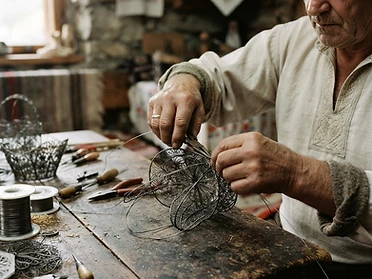
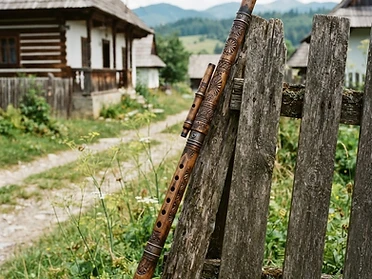
UNESCO Intangible Cultural Heritage: Fujara and its music · Music of Terchová · Bagpipe culture · Puppetry in Slovakia and Czechia · Multipart singing of Horehronie · Blaudruck/Modrotisk/Kékfestés/Modrotlač, resist block printing and indigo dyeing in Europe · Drotárstvo, wire craft and art · Falconry, a living human heritage

Slovakia in the Atlas


Act on the Protection of Intangible Cultural Heritage
This legislation provides the legal framework for the identification, documentation, and safeguarding of intangible cultural heritage in Slovakia. It mandates the creation of national inventories and supports the transmission of traditional knowledge to future generations.
- Instrument
- Section 39 of the Slovak Republic Code No 91/2001
- Year
- 2001
- Scope
- Slovakia national policy