Russia / Eurasia
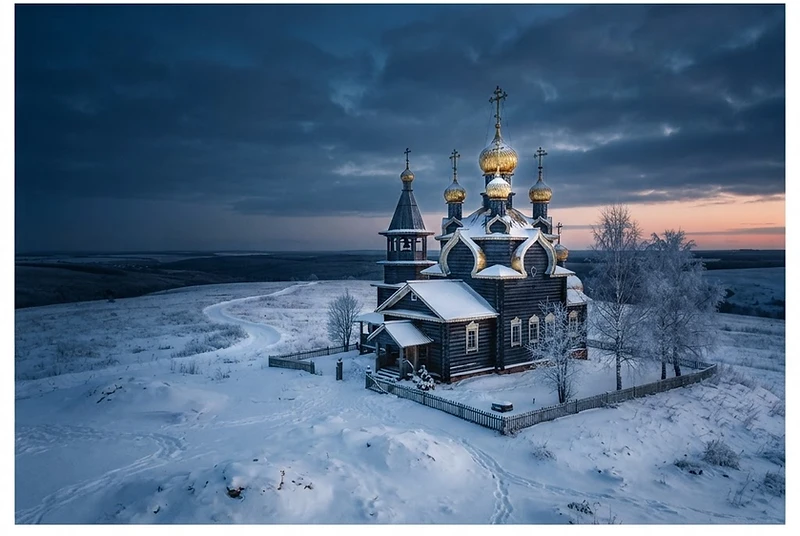
Russia is a multiethnic federation spanning Europe and Asia, where Russian language and Orthodox heritage anchor a state-promoted narrative of traditional values and civilisational continuity. The federation includes many peoples and republics, and demographic change — decline, ageing and regional variation — shapes policy. The Russian case illustrates how a large state uses language, religion and historical memory to define continuity across a vast, diverse territory.
Russian Orthodox predominant; Muslim and other minorities.
Russia — Росси́я, Rossiya — spans eleven time zones and more than one hundred and ninety peoples, among them the Tatars, Bashkirs, Chuvash, Chechens, Avars, Ossetians, Sakha (Yakut), Buryats, Kalmyks, Komi and Nenets. Russian is the state language, while Tatar, Bashkir, Chechen, Sakha, Buryat and many others hold official status within their republics. Continuity here is plural by necessity: Orthodox Christianity, Sunni Islam, Tibetan Buddhism in Kalmykia, Buryatia and Tuva, and shamanic traditions across Siberia coexist in a single state framework. The Eurasian idea that frames much of the country's self-description is itself contested. Literature, choral and epic traditions such as the Sakha olonkho, inscribed by UNESCO, and the museum networks of the imperial and Soviet periods remain the main carriers of this inheritance.
Local names and languages — Росси́я · Rossiya · Российская Федерация · Татарча Tatarça · Саха тыла Sakha