Montenegro
A small Adriatic state where language naming and church heritage are contested questions of identity.
Local name: Crna Gora
Recognised regional or minority languages: Serbian, Bosnian, Albanian, Croatian, Romani
Source labels and dataset codes are those published by the statistical authority named on each row. Figures are reproduced as retrieved, without interpolation.
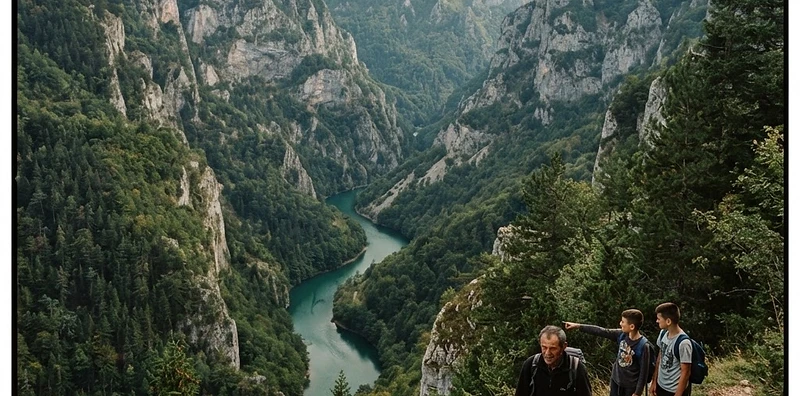
Montenegro, known locally as Crna Gora, is a parliamentary republic situated in the subregion of Southern Europe along the eastern Adriatic coast. The capital city is Podgorica. The official language is Montenegrin, while Serbian, Bosnian, Albanian, Croatian, and Romani are recognised as regional or minority languages under the Council of Europe Charter. The country is defined by its rugged mountainous terrain and a significant coastal zone, which have historically shaped its settlement patterns and economic development. Demographic continuity is characterised by a stable but aging population, with recent trends showing a slight natural increase and ongoing internal migration from northern mountainous regions toward the central and coastal areas. Culturally, the nation maintains a distinct identity through its diverse religious and linguistic heritage, which is preserved through national strategies for education and cultural heritage protection.
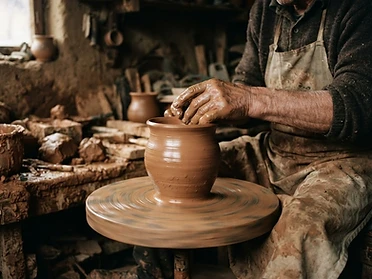
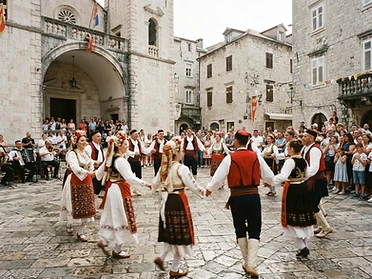
UNESCO Intangible Cultural Heritage: Dances and expressions associated with the Corpus Christi procession in Hvar · Cultural practices associated with the fifteenth of August, the Feast of the Assumption of the Virgin Mary · Lipizzaner horse breeding traditions · Traditional knowledge and skills for producing pottery in Zlakusa · St. Tryphon's Day festivities and Kolo (chain dance) of St. Tryphon · Mediterranean diet


Montenegro in the Atlas


Education Reform Strategy 2025–2035
This strategy aims to align the Montenegrin education system with European Union standards and improve the quality and equity of learning outcomes. It focuses on integrating cultural heritage education and digital literacy into the national curriculum to support long-term social and economic development.
- Instrument
- Strategy
- Year
- 2025
- Scope
- Montenegro national policy