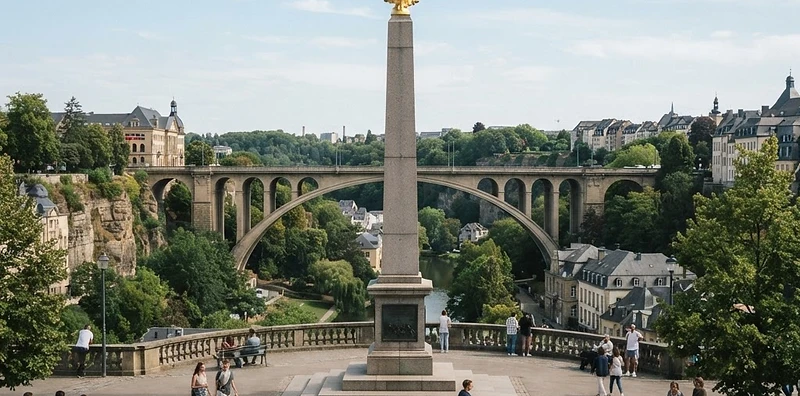
Luxembourg
A trilingual state with the highest share of foreign residents in the EU and an explicit language-planning regime.
Local name: Lëtzebuerg
Source labels and dataset codes are those published by the statistical authority named on each row. Figures are reproduced as retrieved, without interpolation.
Luxembourg, known locally as Lëtzebuerg, is a landlocked country in Western Europe. It maintains three official languages: Luxembourgish, French, and German. The nation is defined by its status as a constitutional monarchy and its central role in European integration. The capital city, Luxembourg, serves as a major administrative hub for the European Union. The country is characterized by a high degree of demographic and cultural continuity, sustained by a significant foreign-born population and a robust, multilingual social fabric. Its economic stability and historical position at the crossroads of Germanic and Romance cultures have shaped its modern identity. Despite its small geographic size, Luxembourg plays a pivotal role in regional governance and international finance, maintaining a distinct national character while fostering deep integration with its neighboring states. The demographic landscape is marked by consistent growth driven primarily by international migration, which remains a cornerstone of its societal development.
UNESCO Intangible Cultural Heritage: Hopping Procession of Echternach · Custom and tradition of the Schueberfouer
National Action Plan for the Promotion of the Luxembourgish Language
This policy aims to strengthen the use and visibility of the Luxembourgish language in public life, education, and administration. It includes measures to support language learning for residents and to promote the use of Luxembourgish in digital and professional environments.
- Instrument
- Strategy
- Year
- 2023
- Scope
- Luxembourg national policy