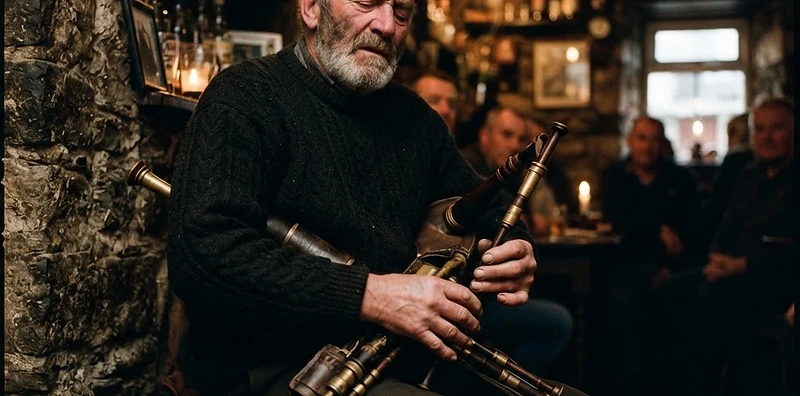
Ireland
A small, fast-ageing, high-immigration republic where language revival and diaspora memory are central to cultural continuity.
Local name: Éire
Recognised regional or minority languages: Irish (Gaeltacht), Shelta
Source labels and dataset codes are those published by the statistical authority named on each row. Figures are reproduced as retrieved, without interpolation.
Ireland, known in the Irish language as Éire, is a sovereign state located in the northwestern subregion of Europe. The country recognises Irish and English as its official languages, with Irish serving as the first official language and the national language. Under the European Charter for Regional or Minority Languages, the state recognises Irish in the Gaeltacht regions and Shelta as a minority language. The capital city is Dublin. Ireland is defined by a strong demographic and cultural continuity, characterised by a long history of oral traditions, a robust commitment to the preservation of its indigenous performing arts, and a contemporary population structure shaped by significant migration flows. These elements, alongside a deep-rooted connection to land-based practices and community-led sports, form the foundation of the nation's cultural identity and its ongoing efforts to safeguard living heritage for future generations.
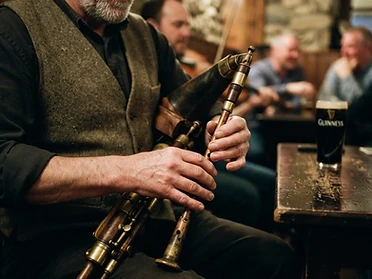
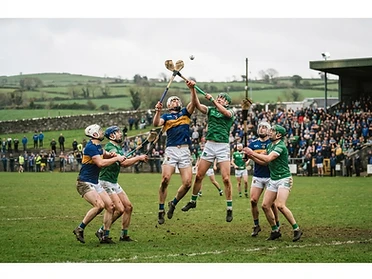
UNESCO Intangible Cultural Heritage: Uilleann piping · Hurling · Irish harping · Falconry, a living human heritage · Art of dry stone construction, knowledge and techniques

Ireland in the Atlas


National Inventory of Intangible Cultural Heritage
The National Inventory is a state-led initiative designed to identify, document, and safeguard Ireland's living cultural heritage. It provides a framework for communities to seek official recognition for their practices, ensuring they are protected and promoted for future generations.
- Instrument
- 2003 UNESCO Convention for the Safeguarding of the Intangible Cultural Heritage
- Year
- 2015
- Scope
- Ireland national policy