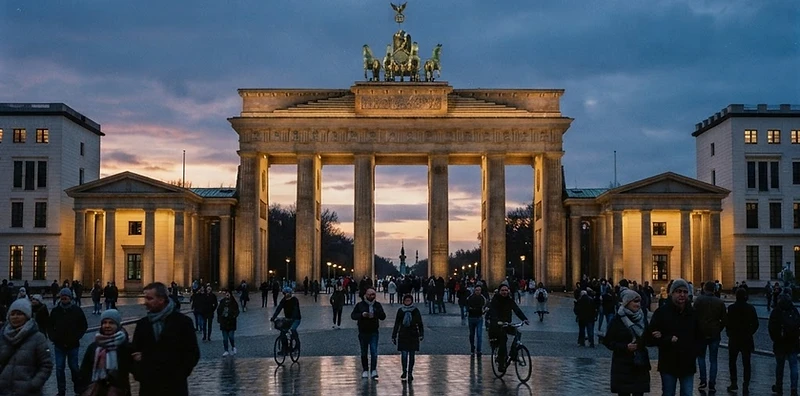
Germany
A federal state where cultural policy sits with the Länder, and demographic ageing, immigration and heritage safeguarding are debated together.
Local name: Deutschland
Recognised regional or minority languages: Low German, Sorbian, North Frisian, Sater Frisian, Danish, Romani
Source labels and dataset codes are those published by the statistical authority named on each row. Figures are reproduced as retrieved, without interpolation.
Germany, known locally as Deutschland, is a federal parliamentary republic located in Central Europe. Its capital and largest city is Berlin. The official language is German, while the Council of Europe Charter for Regional or Minority Languages recognises Low German, Sorbian, North Frisian, Sater Frisian, Danish, and Romani. The nation is defined by its federal structure, which distributes political authority across sixteen states, and a strong commitment to social market economy principles. Demographically, Germany is characterised by an ageing population and a low fertility rate, which have necessitated consistent reliance on migration to maintain its labour force and social security systems. Culturally, the country maintains a high degree of continuity through its extensive network of public cultural institutions, a robust tradition of vocational training, and a deeply embedded heritage of classical music, philosophy, and literature that continues to shape its contemporary national identity.
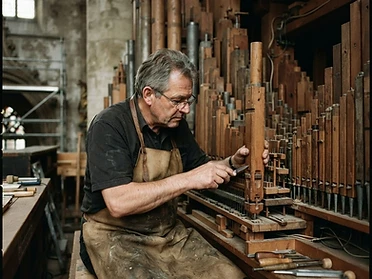
UNESCO Intangible Cultural Heritage: Organ building and organ music · Genossenschaftsidee, cooperative idea and practice · Falconry, a living human heritage · Craft techniques and customary practices of cathedral workshops, or Bauhütten, in Europe · Blaudruck/Modrotisk/Kékfestés/Modrotlač, resist block printing and indigo dyeing in Europe · Bauhaus and its sites in Weimar, Dessau and Bernau · Idea and practice of organizing shared interests in cooperatives


Germany in the Atlas


Strategy for the Promotion of Cultural Education
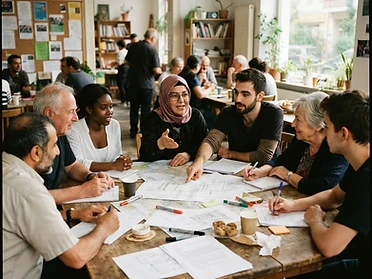
The strategy aims to ensure equitable access to cultural and arts education for all citizens regardless of their socioeconomic background. It coordinates federal and state efforts to integrate cultural learning into formal schooling and extracurricular activities.
- Instrument
- Strategy
- Year
- 2024
- Scope
- Germany national policy